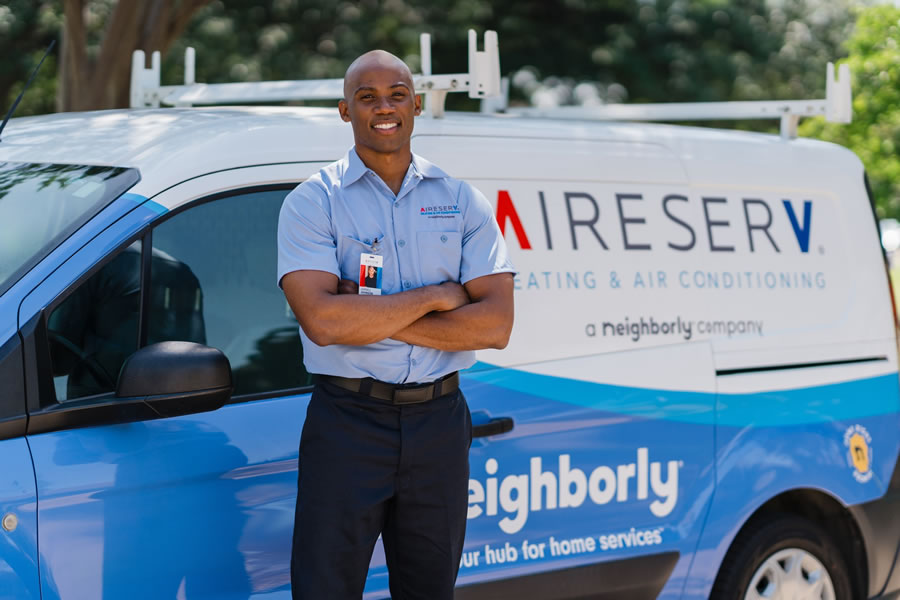
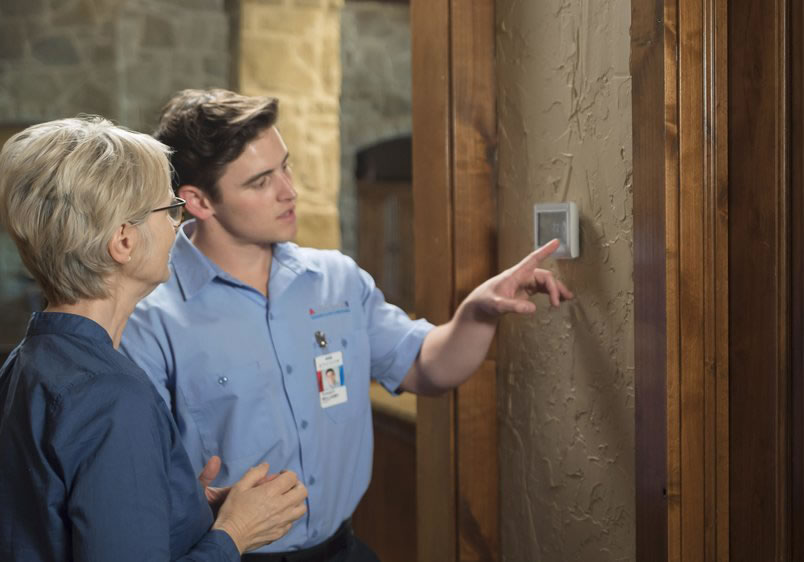
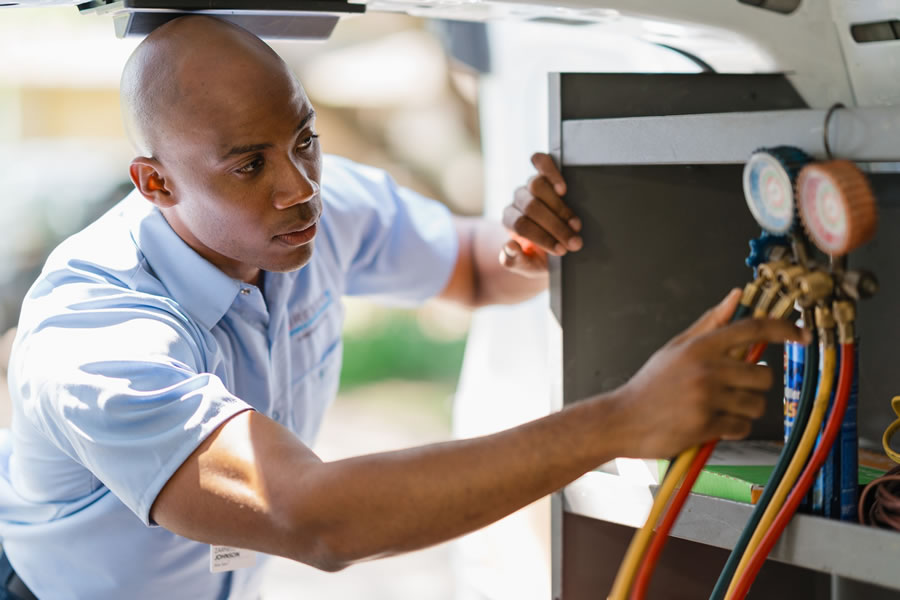
Home ownership is rewarding, but it comes with many responsibilities and challenges. While it can be costly and frustrating to keep up with routine maintenance and repairs, understanding how your home works can help you stay ahead of any mishaps or malfunctions in the long run. As the freezing temperatures roll in, it is great to reevaluate your home’s HVAC unit and make informed decisions. That’s where Aire Serv comes in as the go-to HVAC service provider in Dallas, TX, ensuring your system is in top condition all year round. Here’s what every homeowner should know about their HVAC systems.
Heating
The first and most important step is familiarizing yourself with the heating system. Whether you have a boiler or a furnace, understanding their purposes and how they function can help maintain optimal functionality.
Boilers send hot water through baseboards and radiators, spreading heat throughout your house. These systems run on electricity, gas, oil, or even wood pellets. The most common boilers on the market include the combi-boiler, a system with an indirect water heater, and a boiler with a separate water heater. A combi-boiler combines heat and hot water in one, while a system with an indirect water heater heats water at the same efficiency as the heating system. If you prefer a separate boiler that provides heat and has a separate water heater, the third option may be the best course of action.
On the other hand, furnaces circulate and heat air through ductwork and typically run on electricity, natural gas, or propane. While furnaces rarely freeze in winter, ensuring ducts are properly sealed is crucial. Worn or damaged ducts can allow conditioned air to escape, causing a wide range of problems for your home. Furthermore, regular furnace repair and maintenance are vital to maintain optimal performance and reliability.
Cooling
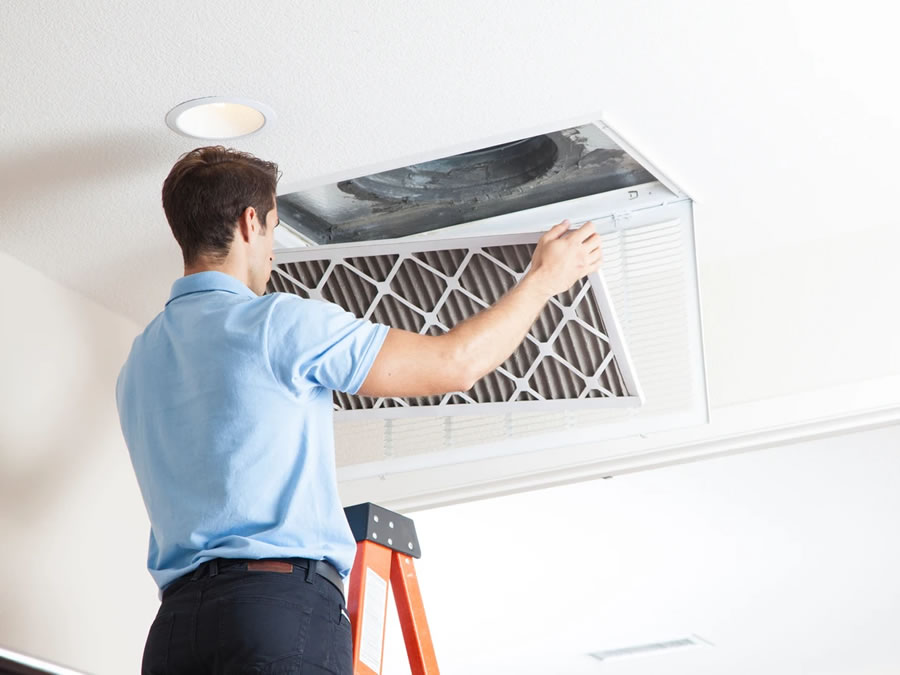
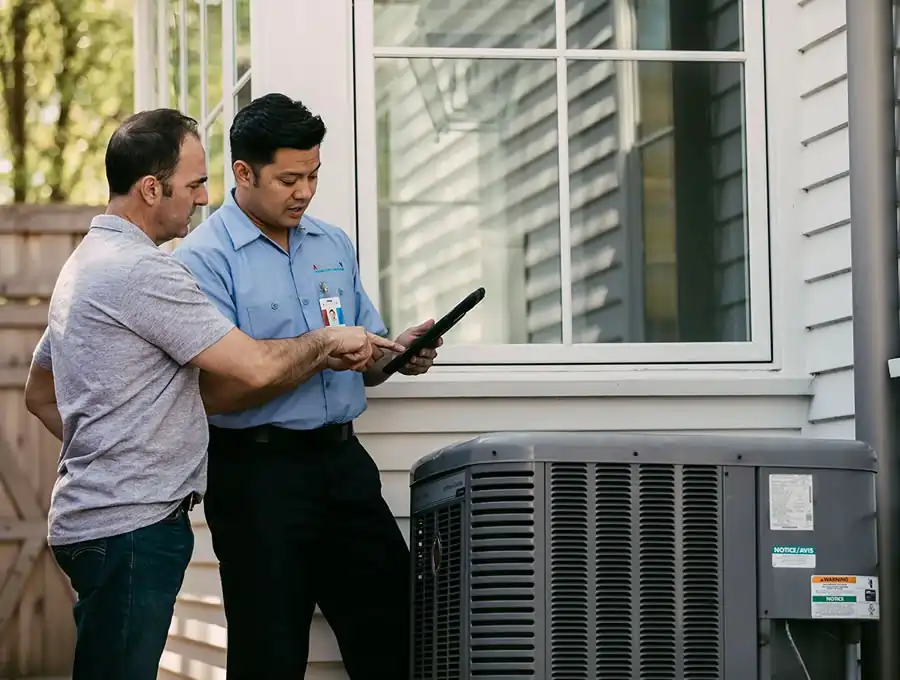
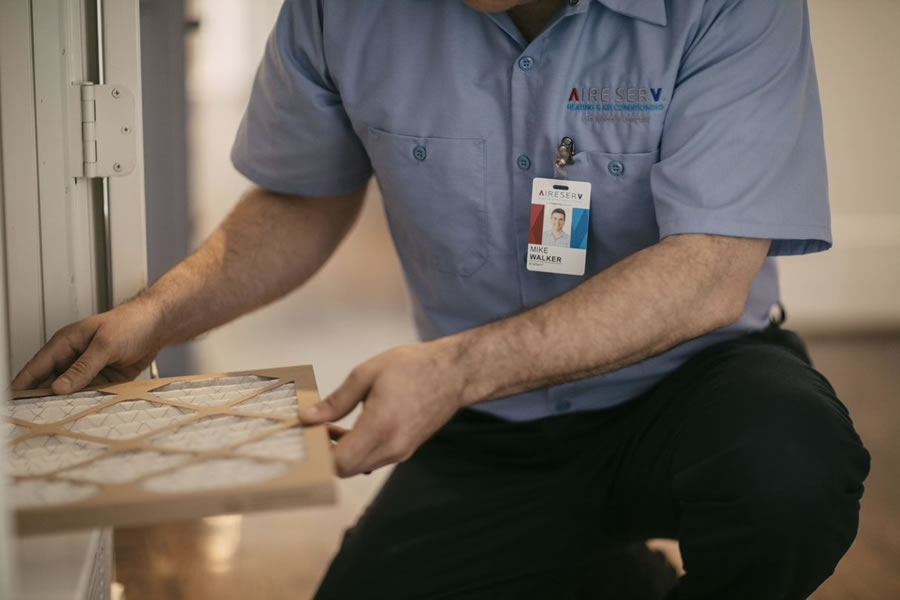
Don’t wait for summer to schedule air conditioning maintenance. By hiring a reputable HVAC company to check your system and change filters, you can rest assured that your system is in top shape before the heat rolls in. If you prefer a more hands-on approach, check the outdoor condenser and clear accumulated debris that may reduce airflow and inefficiency if left unattended. Additionally, check your AC unit uses Freon R-22, a banned coolant product, and call a HVAC service provider to replace it with an approved coolant.
If you don’t have the ductwork to support a central cooling system, you don’t have to rely on window units year-round. Ductless mini splits have become increasingly popular due to their cost-effectiveness, easy installation, and high efficiency. Similar to central cooling systems, mini splits include an indoor unit and an outdoor condenser that hangs on the wall. The best part is that these systems can produce heated air in the winter.
Plumbing
Although plumbing may not be part of the HVAC system, understanding how your plumbing works is crucial to maintaining a safe home. The average lifespan of water heaters is 6-10 years. If you are unsure when your system was installed, it may be wise to have a plumber or HVAC service provider check it and recommend the best course of action. While water heaters are equipped with anode rods to prevent corrosion or rust, these components can deteriorate over time, causing leaks and potential water damage.
Look out for any signs of corrosion throughout your plumbing system, as this can be an early sign of hidden leaks or mineral buildup on essential parts. Understanding how the different aspects of your home function can save you a lot of money and trouble down the line. Contact Aire Serv to enjoy quality, dependable, and honest heating repair and maintenance services.