Call This Thursday to Get $50 Off
4.8/5 Ratings Based on 2491
ReviewsLocally Owned & Operated
Call This Thursday to Get $50 OFF
Is your air conditioner struggling now that the Texas heat has started creeping in? A faulty system can turn your home into an oven and make simple tasks unbearable. If your unit is making noises, refusing to cool properly, or driving up your energy costs, taking care of problems early can save you from a full breakdown. Aire Serv offers dependable CD repair in Plano, Texas. Our team will make sure your home stays comfortable no matter how high the temperatures climb. Read more to find out how to protect your home from the summer heatwaves and save money in the process.
A quality air conditioner will keep your property cool without you thinking much about it. But, if something goes wrong, your system will give you subtle warning signs before it breaks down completely. Knowing the signs can help you schedule an air conditioner repair in Plano before you’re stuck in a sweltering house.
New customers only. Call for more details.
Redeem OfferNew customers only. Call for more details.
Redeem Offer
You might want to ignore smaller issues as long as your AC is technically working, but minor issues usually snowball into a major repair or a system failure. Here’s why you shouldn’t delay calling an HVAC company in Plano if something is off:
A properly maintained AC keeps your home cool and your energy bills in check. Here's how you can improve your system’s efficiency and decrease costs:
Texas summers push air conditioners to the limit, so routine maintenance is important if you want it to stay running when you need it the most. An annual inspection and checkup will provide several benefits:
Schedule routine maintenance services with a trusted HVAC company in Plano, and you will have reliably cool air on the hottest days.
Do you need a repair, inspection, furnace and heating repair, or air conditioning unit installation? Aire Serv is here to provide the quality services you need. We’ll make sure your property stays comfortable all year long. If you want to make sure your AC can handle the heat, contact our team to schedule your next repair or air conditioner replacement in Plano, Texas, or a surrounding neighborhood.
A standard HVAC system lasts between 10 and 15 years. Homeowners can maximize HVAC lifespan by changing air filters every 1-3 months, scheduling professional tune-ups twice yearly, keeping the outdoor condenser unit clear of debris, and sealing home leaks to reduce overall system strain.
If your HVAC system is over 10 years old, it’s advisable to consider replacing it to avoid issues such as rising energy bills, frequent breakdowns, uneven temperatures, and frequent cycling. For HVAC replacement in Plano, get in touch with the technicians at Aire Serv of Dallas.
Uneven cooling between rooms is typically caused by blocked vents, leaking or unbalanced ductwork, poor insulation, closed interior doors, or an improperly sized HVAC system. These factors disrupt the airflow and heat exchange required to maintain consistent temperatures throughout your entire home.
Uneven cooling between rooms can lead to system strain, increased utility bills, and humidity issues. Here are some quick fixes to try first:
Yes. Smart climate controls and thermostats can improve energy savings. According to the U.S. Department of Energy, automating temperature setbacks can reduce your heating and cooling costs by roughly 8% to 15% annually. Smart climate systems achieve this by utilizing several automated efficiency features such as adaptive learning, geofencing, and occupancy sensors.
Smart climate controls allow you to monitor your home’s temperature from anywhere using your smartphone or table. In addition, you can gain clear insights into your household’s usage patterns. This can help you identify waste and refine your climate preferences. If you experience fluctuating energy bills, irregular room temperatures, or you want hands-free comfort, it’s best to upgrade to smart climate controls.
Clicking noises coming from an HVAC system indicate a problem that needs to be addressed. In most cases, clicking noises stem from electrical faults, mechanical obstruction, or loose hardware. For example, a failing capacitor can cause the unit to struggle to start, and this can result in rapid clicking. If there’s an obstruction inside the outdoor condenser unit, the spinning blades can hit the obstruction and lead to a rhythmic clicking sound. When you notice unusual noises coming from your HVAC system, turn off the system and check the components to find the culprit. For HVAC repair in Plano, get in touch with Aire Serv of Dallas.
Scheduling HVAC inspections in the spring and the fall ensures peak performance, prevents costly breakdowns, cuts down on energy use, and extends the lifespan of your HVAC system before extreme seasonal weather hits.
To prepare your HVAC system for the summer cooling season, experts check refrigerant levels, coil cleaning, airflow & filters, electrical connections, and thermostat calibration. In the fall, HVAC technicians primarily test electrical connections, inspect the heat exchanger for cracks, measure airflow, and evaluate the system’s reliability. When you’re looking for an HVAC inspection in Plano, get in touch with Aire Serv of Dallas.
Poor ventilation can make your home feel stuffy, humid, and uncomfortable by allowing heat, moisture, and indoor pollutants to build up. It can also cause uneven temperatures between rooms and force your HVAC system to work harder to maintain the desired temperature. Improving ventilation through clean air filters, unobstructed vents, exhaust fans, and routine HVAC maintenance can create a healthier and more comfortable indoor environment.
Yes. Leaking air ducts allow cooled air to escape into attics, crawl spaces, or inside walls before it reaches your living spaces. This forces your HVAC system to run longer to maintain the thermostat setting, resulting in higher electricity bills and unnecessary wear on the equipment. A professional duct inspection can identify leaks and determine whether duct sealing or repairs are needed to restore proper airflow.
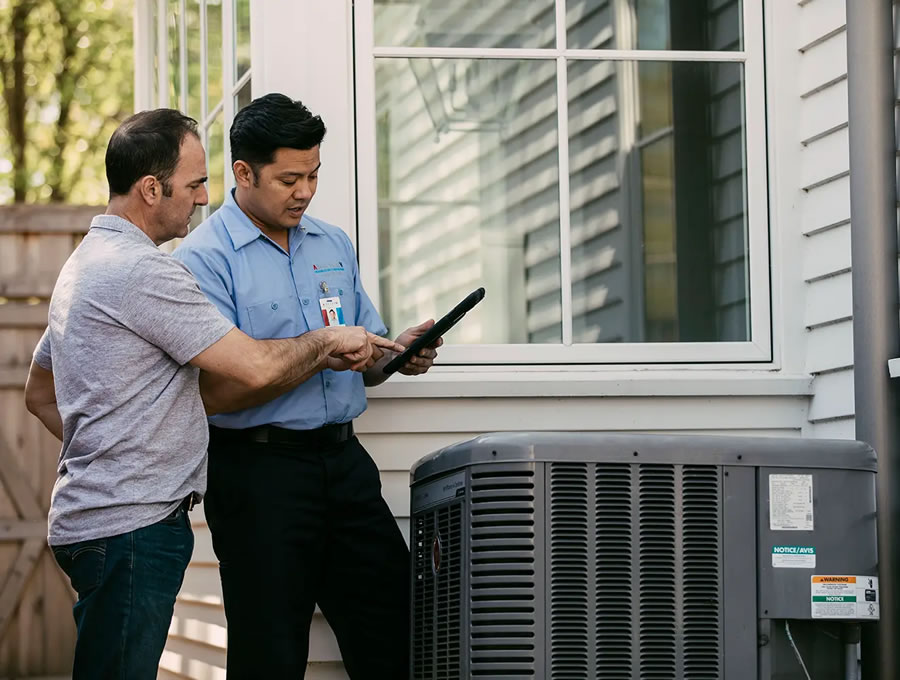
Start by checking that the thermostat is set to cooling mode and replacing the air filter if it is dirty. You should also inspect the circuit breaker, confirm the outdoor unit has power, and remove any debris blocking the condenser. If the system still blows warm air or refuses to start, turn it off and contact an HVAC company in Plano. Continuing to run a malfunctioning air conditioner can lead to more extensive damage.
Maintaining proper indoor humidity helps reduce mold growth, dust mites, and musty odors while making your home feel more comfortable. Ideally, indoor humidity should remain between 30% and 50%. Your HVAC system plays an important role in removing excess moisture, but whole-home dehumidifiers can provide additional humidity control when needed. Proper humidity management also helps protect wood flooring, furniture, and other household materials from excess moisture.
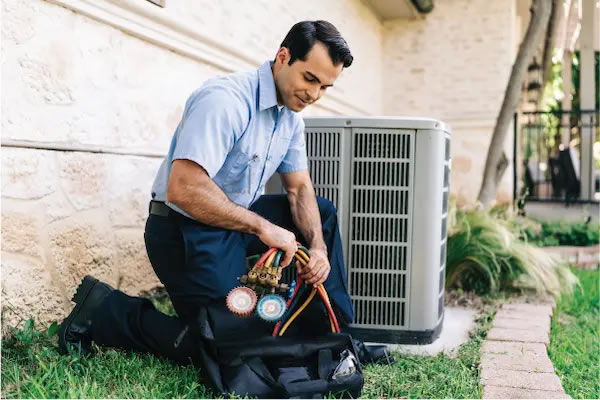
Evaporator coil problems can cause weak airflow, warm air coming from vents, ice buildup on the indoor unit, higher energy bills, and longer cooling cycles. Dirty coils or refrigerant leaks reduce the system's ability to absorb heat, making your air conditioner less effective. If you notice any of these warning signs, schedule an inspection before the problem leads to compressor damage or a complete system failure.
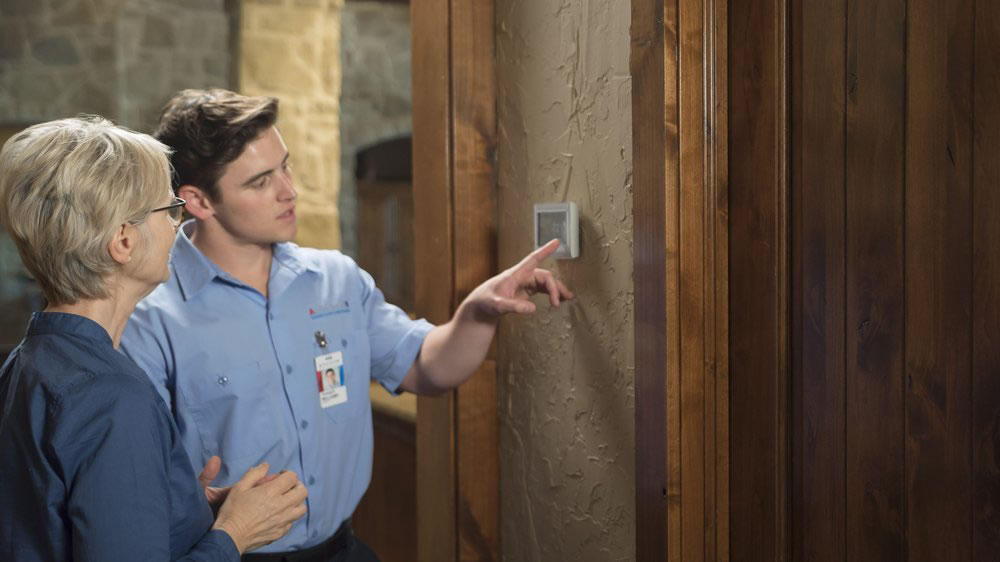
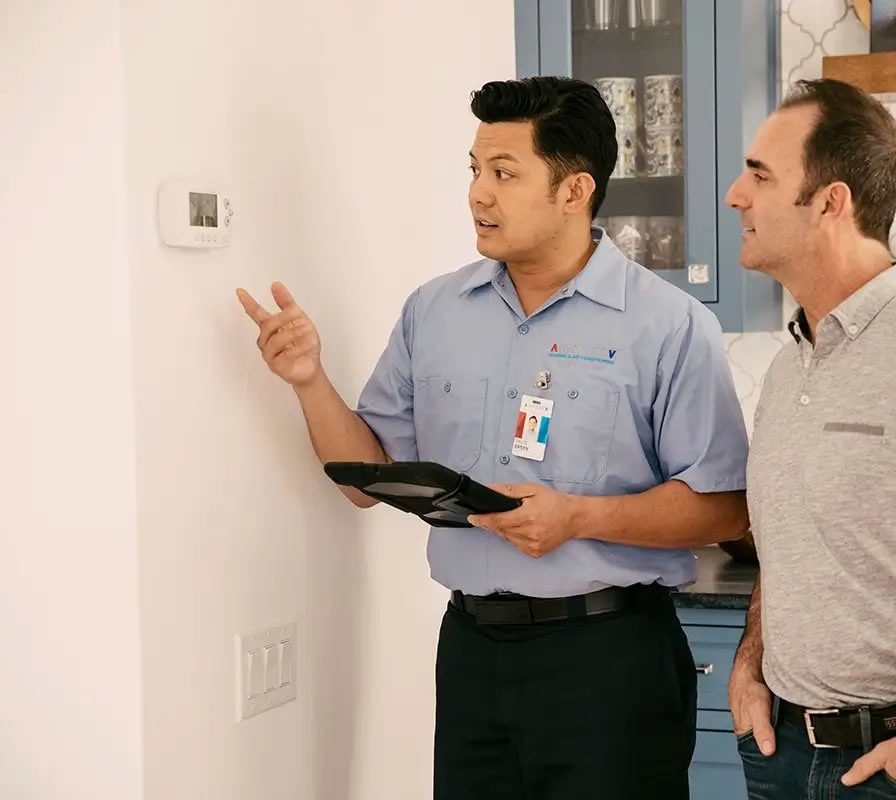
Yes. Older thermostats may provide inaccurate temperature readings, causing your HVAC system to run longer than necessary or cycle on and off too frequently. Upgrading to a programmable or smart thermostat allows for more precise temperature control, automated scheduling, and improved energy management. A properly functioning thermostat helps maintain consistent comfort while reducing unnecessary energy use.
Most HVAC filters should be replaced every one to three months, depending on the filter type and your household conditions. Homes with pets, smokers, allergy sufferers, or higher dust levels may need more frequent filter replacements. Clean filters improve airflow, support better indoor air quality, and reduce strain on your heating and cooling equipment. Checking your filter monthly is a good habit to develop.
Variable-speed air conditioners adjust their output based on your home's cooling needs instead of operating at full capacity all the time. This results in more consistent indoor temperatures, better humidity control, quieter operation, and lower energy consumption. Because they run at lower speeds for longer periods, they also place less stress on system components, which can contribute to a longer equipment lifespan.
HVAC professionals use a detailed load calculation to determine the correct system size for your home. They evaluate factors such as square footage, insulation levels, window placement, ceiling height, local climate, and the number of occupants. Proper sizing is essential because an oversized system may short cycle, while an undersized unit may struggle to keep your home comfortable during extreme temperatures. If you need help with choosing the right HVAC size for your home, get in touch with Aire Serv of Dallas.
Before purchasing a new HVAC system, compare energy efficiency ratings, equipment size, warranty coverage, installation quality, and long-term operating costs. You should also consider available features such as variable-speed technology, smart thermostat compatibility, and indoor air quality enhancements. Consulting an experienced HVAC contractor in Plano can help you choose a system that fits both your home's needs and your budget.
Read our blog posts to learn more about HVAC systems and our services. Need HVAC service? Call Aire Serv Today.
HVAC systems play a crucial role in keeping indoor spaces comfortable, especially during extreme weather conditions. However, many people rarely think about their…
Read MoreA common misconception is that utility bills have to increase when an air conditioner fails or a furnace stops working. However, small inefficiencies…
Read MoreOn average, modern heating and cooling systems last between 15 and 25 years with the proper care. However, this lifespan varies significantly based…
Read MoreAs a property owner, keeping expenses at a minimum requires careful consideration and a proactive approach. However, hidden energy wastes can go undetected…
Read More