The heating, ventilation, and air conditioning (HVAC) industry in Dallas, TX has seen remarkable progress over the past several decades. From bulky systems in the 1970s that barely worked to today’s sleek, efficient, and eco-friendly designs, HVAC technology has come a long way. If you are looking to invest in an HVAC system or want to upgrade an outdated model, Aire Serv can help. Our trained and licensed technicians understand the intricacies of different systems in homes and commercial settings, providing tailored solutions that align with your specific needs. Let’s delve into the evolution of heating and cooling systems and what the future holds.
HVAC in the 1970s: Basic Functionality and Inefficiency
HVAC systems designed in the early 1970s met basic heating and cooling needs. These systems were bulky, relied on outdoor thermostats, and used a lot of energy to achieve the desired indoor atmosphere. Since homes were poorly insulated or had inefficient designs, maintaining indoor comfort was expensive. Additionally, energy efficiency wasn’t a top priority until the late 1980s and early 1990s, which means that the designs in the 1990s didn’t prioritize energy efficiency. However, this era laid the foundation for innovation in HVAC technology.
The 1980s and 1990s: Introduction of Programmable Thermostats
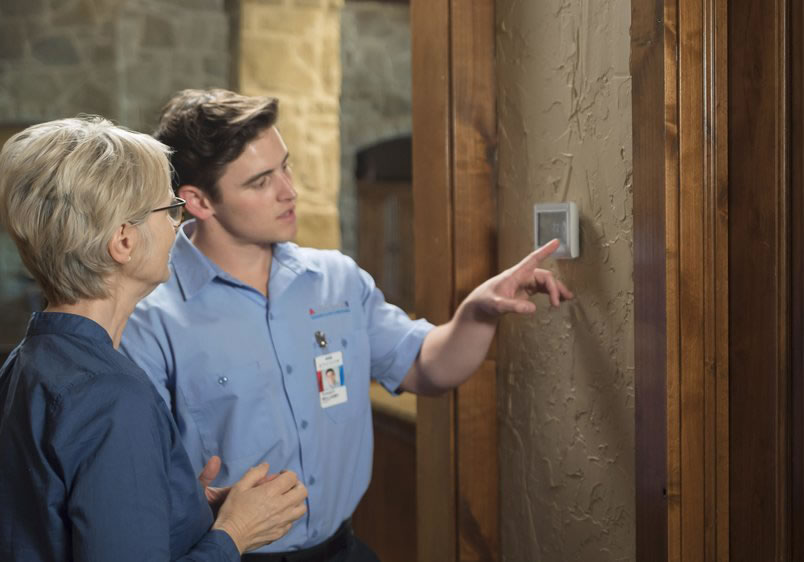
After the oil crisis in the 1990s that began the shift to sustainability, the 1980s and 1990s saw the rise of programmable thermostats. These devices provided homeowners more control over their indoor atmosphere, as they allowed them to set heating and cooling schedules. This is simple yet innovative devices not only empowered users to control their energy use but also reduced utility and AC repair costs. This era marked the beginning of the shift toward greener HVAC solutions.
The 2000s: Balance Between Efficiency and Environmental Awareness
The 2000s began with concerns over climate change, which resulted in more focus on environmental sustainability. With the help of technological advancements, manufacturers designed more efficient air conditioners, furnaces, and heat pumps that utilized eco-friendly refrigerants to reduce greenhouse emissions. During this period, zoned heating and cooling systems entered the market, allowing homeowners to control temperatures in certain spaces for enhanced comfort. This enhanced control also reduced strain on these systems, preventing frequent furnace and AC repairs.
The Smart Home Revolution: HVAC in the 2010s
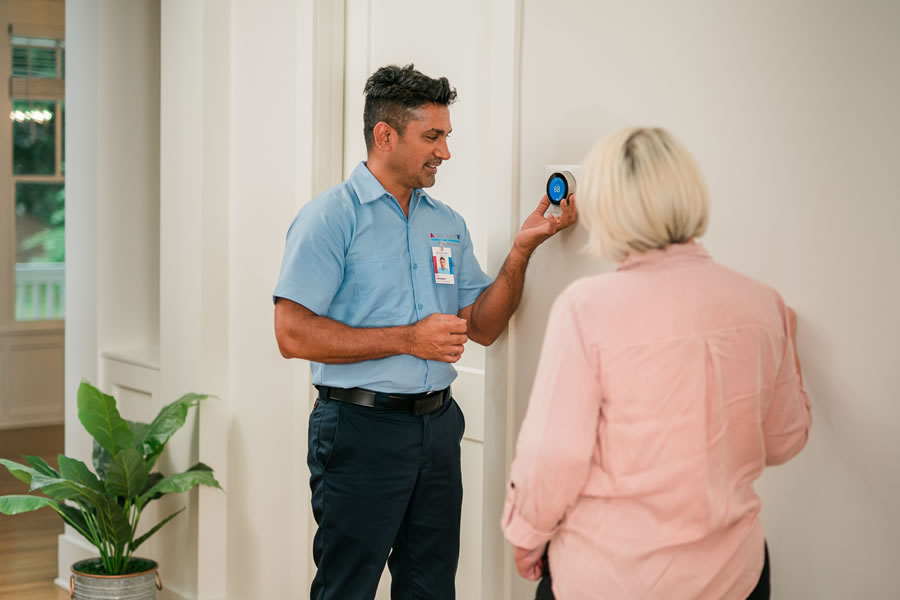
The 2010s not only experienced significant technological advancements but also ushered in the era of HVAC smart systems. Smart thermostats like Ecobee and Nest introduced advanced features, such as optimizing schedules, learning user preferences, and remote control via mobile apps. These ground-breaking innovations enhanced convenience and significantly reduced energy consumption and emergency HVAC services. For tech-savvy property owners, integration of smart home platforms with HVAC systems like Google and Alexa further streamlined energy management.
Modern Systems: Cutting-Edge Efficiency
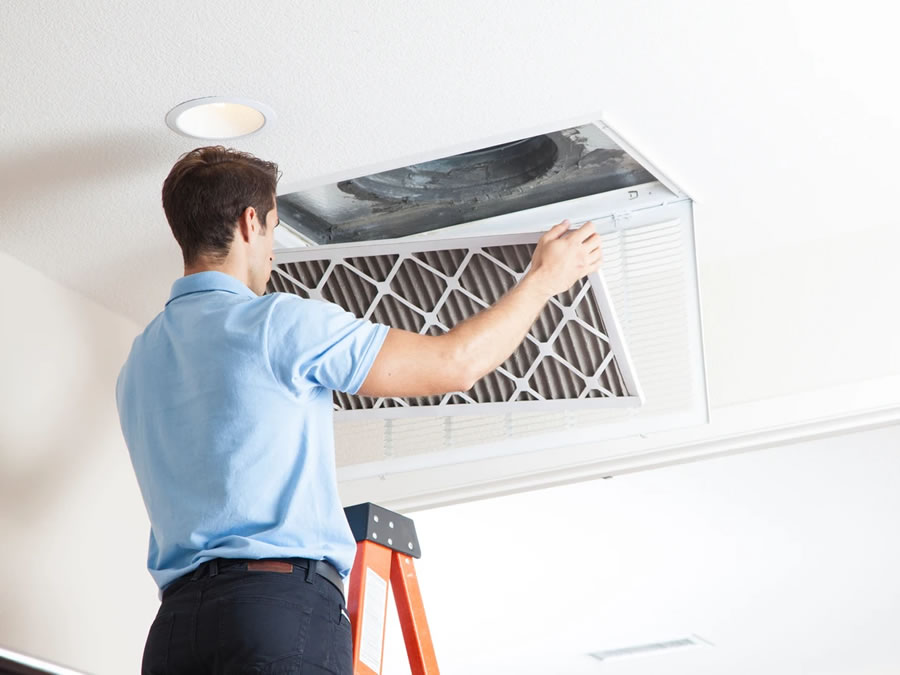
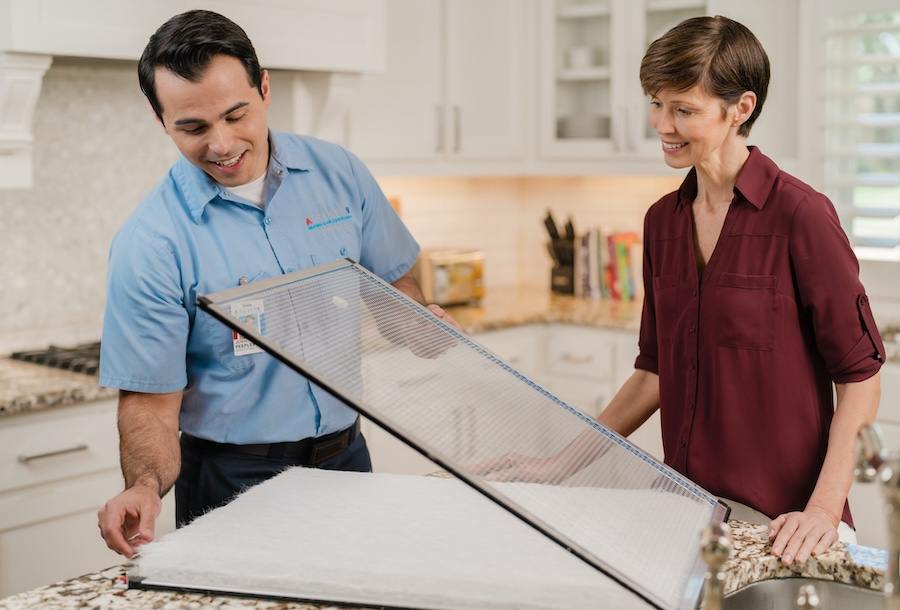
Today’s systems represent the peak of energy efficiency and environmental stewardship. Modern HVAC units are equipped with unique features, such as Variable-speed compressors, advanced air filtration systems, and inverter technology, which perform optimally while reducing energy usage. Furthermore, integrating sustainable energy sources like solar and geothermal allows homeowners to minimize their impact on the environment and even take advantage of government incentives if available.
The Future of Heating and Cooling: What’s Next?
The HVAC industry is poised to experience even greater advancements in the future. Innovations like machine learning and artificial intelligence (AI) will allow systems to effectively predict and adjust to user needs. As we look to the future, we expect to see more adoption of HVAC systems that use as much energy as they generate.
Call a Reputable HVAC Company
The evolution of heating and cooling energy has made modern systems more efficient, user-friendly, environmentally-friendly than ever before. Whether you are interested in renewable energy systems, smart home integration, or high-efficiency units, this is the best time to upgrade your HVAC unit. Contact Aire Serv today to consult our experts and navigate the various options available for your home.